How Generative AI Works — and Where Its Limits Are
Generative models produce text, images, and audio by learning patterns from data. Understanding the mechanism explains both the power and the pitfalls.

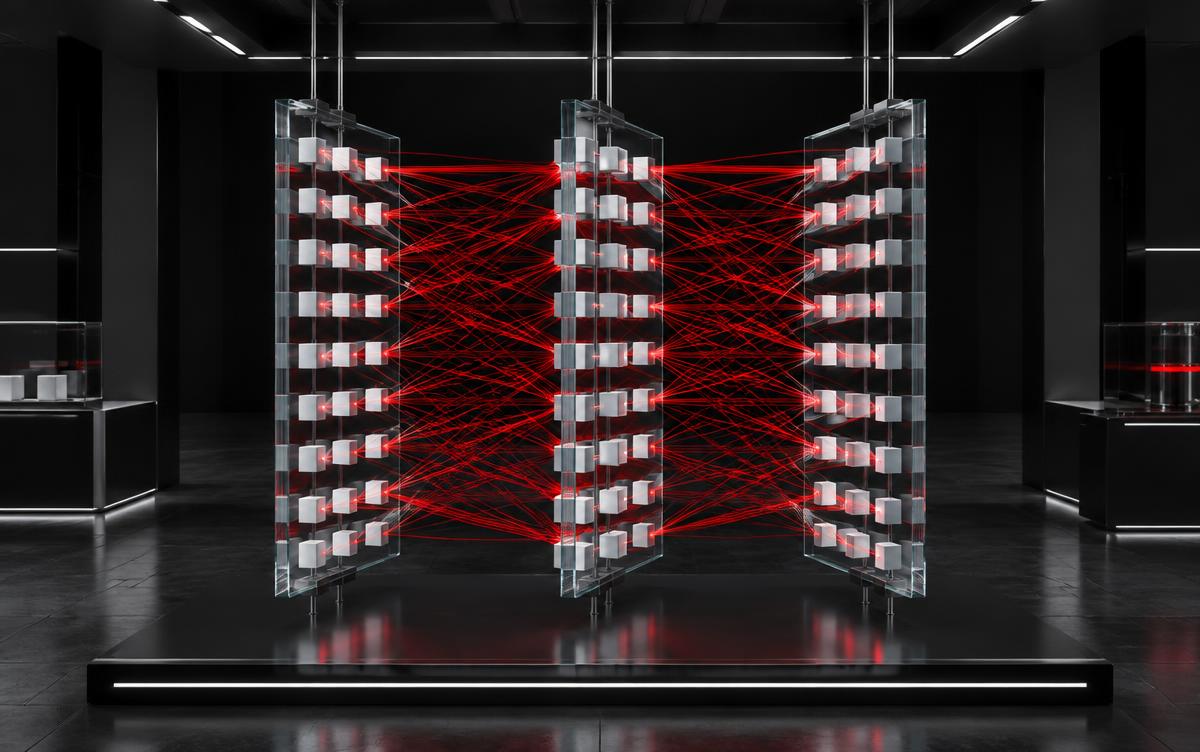
AI-generated conceptual illustration; not a photograph of an event.
Learning patterns, not facts
Generative AI models are trained on large datasets to learn statistical patterns. When prompted, they produce new content that fits those patterns — which is why outputs can be fluent and creative.
The hallucination problem
Because these models generate plausible output rather than looking up verified facts, they can produce confident but incorrect statements. This is why responsible publishers — including this one — verify AI-assisted content against primary sources before publication.
Using generative AI responsibly
Good practice includes human review, clear disclosure of AI involvement, source citation, and attention to copyright and privacy. Risk frameworks from bodies such as NIST offer structured guidance.
Sources & references
Prepared by our editorial desk with AI assistance and reviewed by a human editor. See our editorial standards.